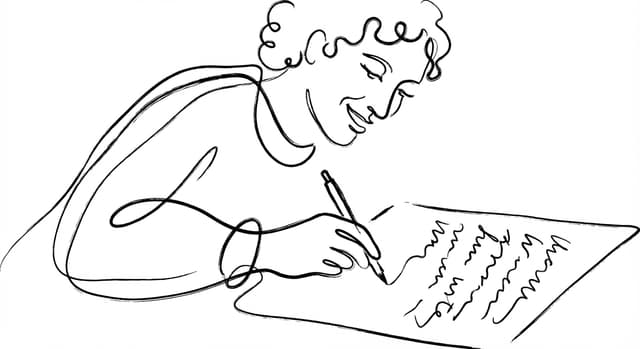
There's something strangely satisfying about finding the perfect pen. You know the feeling—the moment the ink hits the paper, it just glides. No scratching, no skipping, just smooth, uninterrupted thought flowing onto the page. For me, a pen isn't just a tool; it's the bridge between what's in my head and what ends up on paper.
If you've ever walked down the stationery aisle feeling overwhelmed by the sheer number of options, you're not alone. I've spent years testing everything from cheap ballpoints to high-end fountain pens to find the ones that actually make handwriting feel effortless.
Let's break down some of the best options out there, whether you're looking for precision, smoothness, or just a reliable daily driver.
Why the Pen Actually Matters
It might sound dramatic, but the right pen can completely change your handwriting. I used to think my handwriting was just naturally messy, but I realized half the battle was fighting against pens that required too much pressure or smeared instantly.
A good pen reduces hand fatigue—meaning you can write longer without that cramping feeling. It also gives you better control over your strokes. When you're not pressing down hard just to get ink out, your hand relaxes, and your script naturally becomes more fluid.
My Top Picks by Category
Here are the pens that have earned a permanent spot in my pencil case, broken down by what they do best.
1. Gel Pens: The Smooth Operators
If you hate friction, gel pens are your best friend. The ink is suspended in a water-based gel, which means it lays down thick, vibrant lines with almost zero pressure.
Why I love them: The Pilot G2 is a classic for a reason—it's available everywhere and writes reliably every time. But if you want to step it up a notch, try the Uni-ball Signo DX. The ink flow is incredibly consistent, and it comes in finer tip sizes that don't feel scratchy. I use these for journaling because the colors pop off the page.
2. Fine-Liners: For the Perfectionists
When I need my notes to look crisp and structured, I reach for a fine-liner. These usually have a porous plastic or felt tip, kind of like a very fine marker.
The experience: Because the tip is so firm, you get a very consistent line width. There's no variation, just clean precision. The Sakura Pigma Micron is the gold standard here. It uses archival ink that doesn't fade or bleed, making it perfect if you want your journals to last for decades. The Staedtler Pigment Liner is another solid choice that I find stands up a bit better to heavy-handed writing.
3. Ballpoints: The Reliable Workhorses
Ballpoints often get a bad rap for being "cheap" or "scratchy," but modern ink technology has come a long way. They use oil-based ink, which dries instantly—a lifesaver for lefties or anyone who writes quickly.
The standout: The Uni-ball Jetstream changed my mind about ballpoints entirely. It uses a low-viscosity "hybrid" ink that feels as smooth as a gel pen but dries as fast as a traditional ballpoint. It's my go-to for signing receipts or jotting down quick notes on glossy paper where other inks might smear.
4. The "Magic" Pencil: Uni Kuru Toga
Okay, it's not a pen, but I have to mention the Uni Kuru Toga. If you use mechanical pencils, you know the annoyance of the lead getting flat on one side, making your lines get thicker and fuzzier as you write.
The Kuru Toga fixes this with a tiny engine inside that rotates the lead every time you lift the pencil. It keeps the tip sharp point at all times. It sounds like a gimmick, but for practicing characters or math equations where clarity is key, it makes a huge difference.
5. Rollerballs: Liquid Ink Flow
Rollerballs are the middle ground between ballpoints and fountain pens. They use liquid ink (similar to fountain pens) but with a ball mechanism.
The feel: These put down a lot of ink. The Pilot Precise V5 is a staple in many offices for a reason. It glides effortlessly. Just be careful with thin paper—rollerballs are notorious for bleeding through because the ink is so wet.
6. Fountain Pens: The Experience
Writing with a fountain pen is a deliberate act. It forces you to slow down slightly and pay attention to your angle.
Where to start: You don't need to spend hundreds of dollars. The Pilot Metropolitan or Lamy Safari are fantastic entry-level options. They're durable, smooth, and let you experiment with bottled inks in every color imaginable. I find that because they require zero pressure to write, they are the best option for long writing sessions to prevent hand cramps.
Finding Your Match
Ultimately, the "best" pen is subjective. It depends on your paper, your writing style, and even how you hold the pen.
My advice? Don't just buy a box of 12. Go to a store where you can buy singles, or grab a sampler pack online. Buy one gel, one fine-liner, and maybe a hybrid ballpoint like the Jetstream. spend a few days with each. Pay attention to how your hand feels after ten minutes of writing.
If you're serious about improving your handwriting, tracking your progress in a handwriting journal can be really motivating. You can even use our Trace Sheet Generator to print out practice sheets and test different pens on the same text to see which one gives you the best control.
Quick Comparison Guide
| Pen Type | Best For | Key Feature | Top Pick |
|---|---|---|---|
| Gel Pen | Smooth writing, Journaling | Vibrant, low-friction ink | Pilot G2, Uni-ball Signo DX |
| Fine-Liner | Precision, Structure | Consistent line width | Sakura Pigma Micron |
| Ballpoint | Everyday Use, Lefties | Quick-drying, reliable | Uni-ball Jetstream |
| Mechanical Pencil | Math, Characters | Auto-rotating lead | Uni Kuru Toga |
| Rollerball | Effortless Glide | Liquid ink flow | Pilot Precise V5 |
| Fountain Pen | Long Sessions, Style | Zero pressure needed | Pilot Metropolitan |
Happy writing!